


👋 Get weekly insights, tools, and templates to help you build and scale design systems. More: Design Tokens Mastery Course / AI Design Guide / My LinkedIn
Last week, a designer told me it no longer makes sense to keep custom components, since agents love shadcn. I didn’t expect this from a designer. Just imagine losing years of brand work.
His comment pushed me to give a talk at the local meetup about my work with AI. I titled it “Craft first, fun second.”
My main goal was to show a room full of designers that we shouldn't forget our need to craft. Today, it feels like a luxury to be isolated from the world and focus only on the best possible design, interactions, and user flow. For me, it doesn't feel okay to have a (design) problem, go straight to AI, rely on the ideas AI tools give us, and then maybe just recolor them. It goes a long way if we take time, sketch ideas, iterate on features, and then define how things should look. Otherwise, we end up with a brand with no personality. That’s why work first, and the fun (and AI).
I think we can all relate to this timeline below and agree that our design process changed A LOT over the past 5 years (or even just 3 months 😅).
As a designer, I don’t want to become a design administrator or someone who just reviews tickets or PRs pushed by product managers. I want to explore what’s next for design and use AI to help me build my crazy ideas. How to make this happen? Let’s go step by step.
But first, be honest with yourself. How much of your day is already reviewing, deciding, and steering what AI made?
Psychologist Lisanne Bainbridge wrote a paper called Ironies of Automation. In that paper, she explains that when you automate the easy parts of a job, the hard parts get even harder. So what did she mean?
Before AI, we had time between two hard problems. For example, aligning icons, fixing spacing, uploading images, etc. Simple tasks. Your brain could relax, and you still got things done.
Now? Constant context switching. In one window you are prioritizing features, in another reviewing analytics, in a third reviewing components, in a fourth building 3 new prototypes, in designing a new presentation, … All day, with nothing simple in between. Everything feels more concentrated.
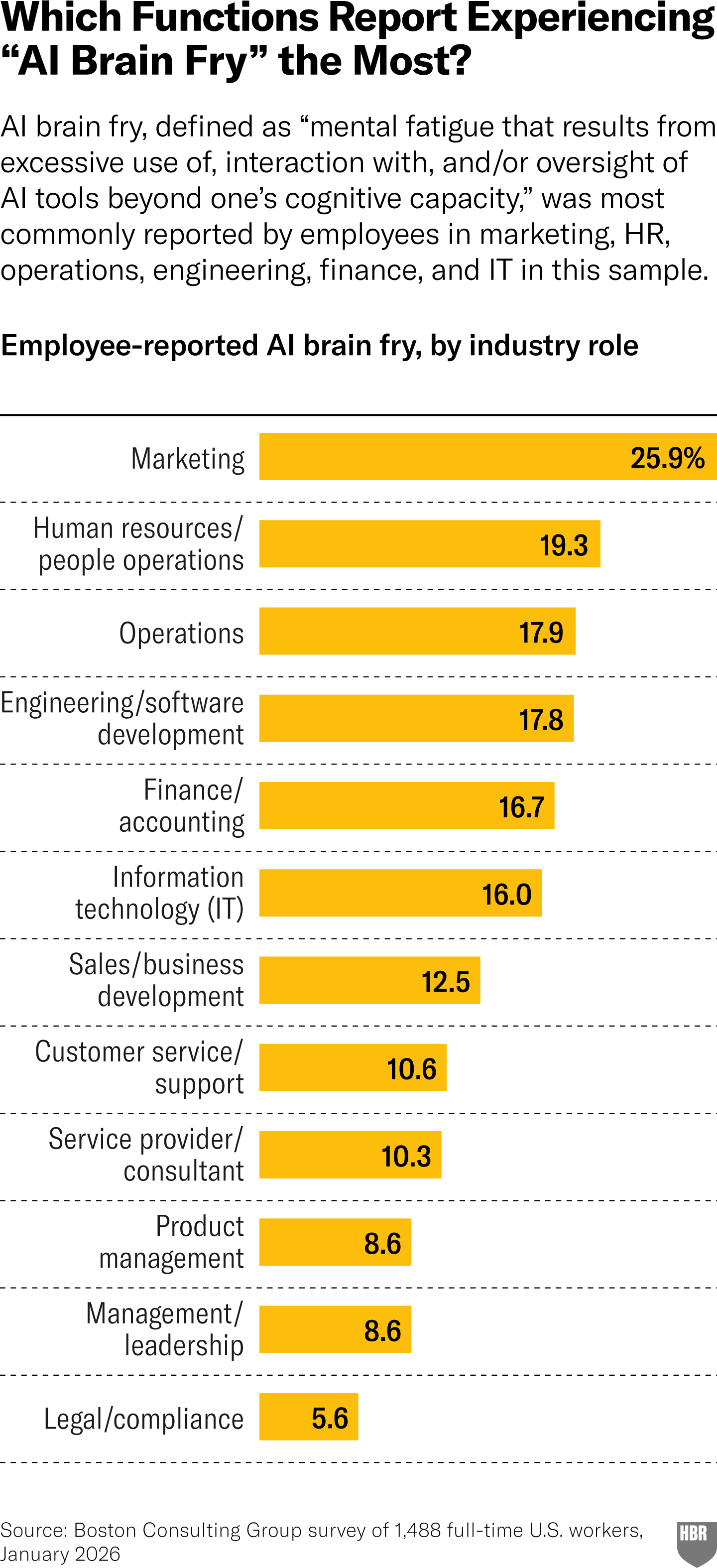
Below is a report from Harvard Business Review. They surveyed 1,488 US workers, and 14% of those using AI reported “AI brain fry”. In short, watching and steering AI tools all day creates a buzzing fog, slower decisions, and headaches. AI took the easy parts, and you are going back and forth, reviewing, deciding, steering.
Does this mean AI is bad for us? No, not at all. It just means that jumping from task to task blindly doesn’t help get things done (faster).
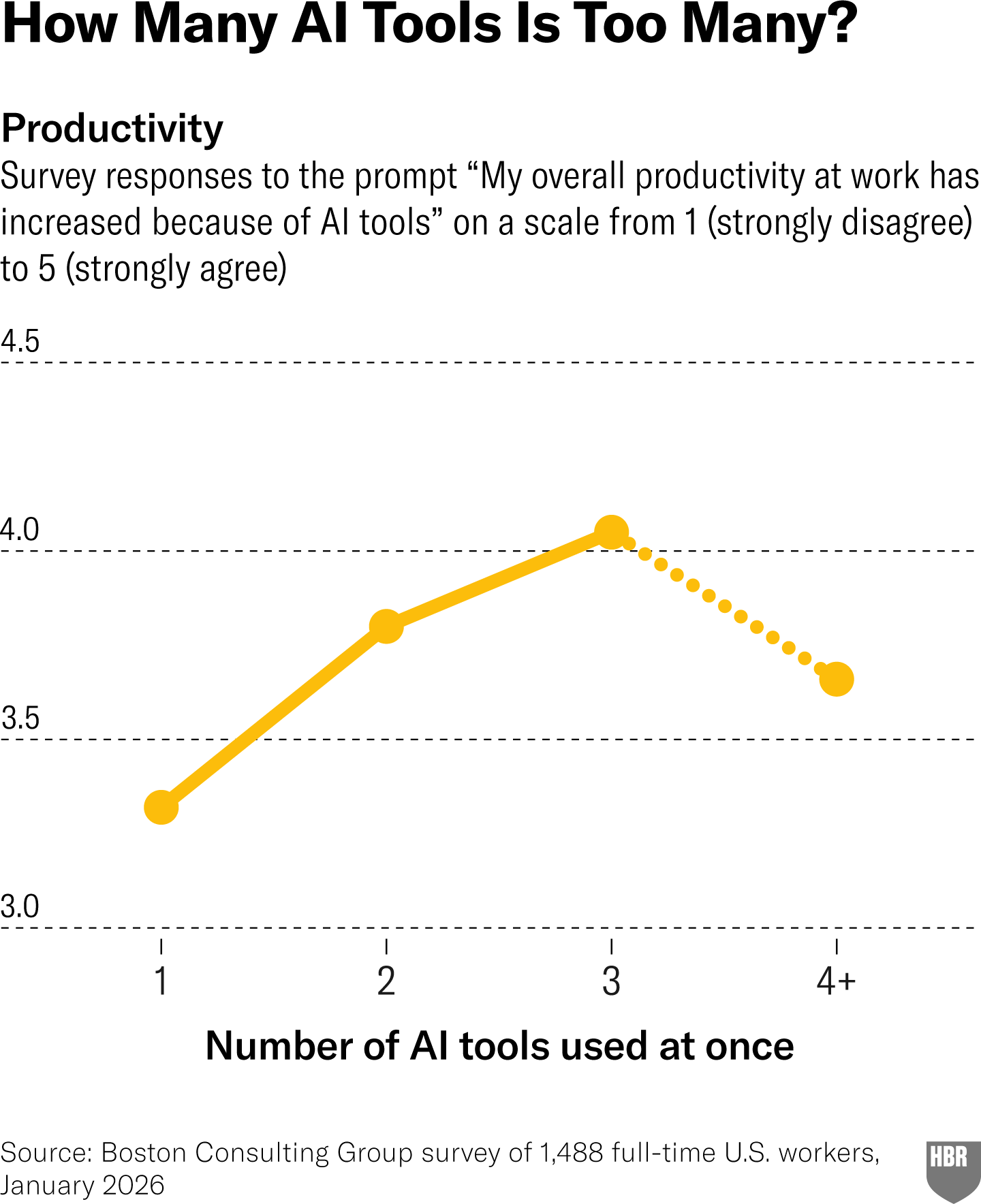
And how many AI tools do you have open right now? People seem more productive with two or three tools. I agree. Most of my work happens in Claude Code.
This means you have to create a workflow that suits your needs. No need to add a gazillion skills, buy multiple AI subscriptions, or check trends all over the internet. Just create foundations and then start scaling.
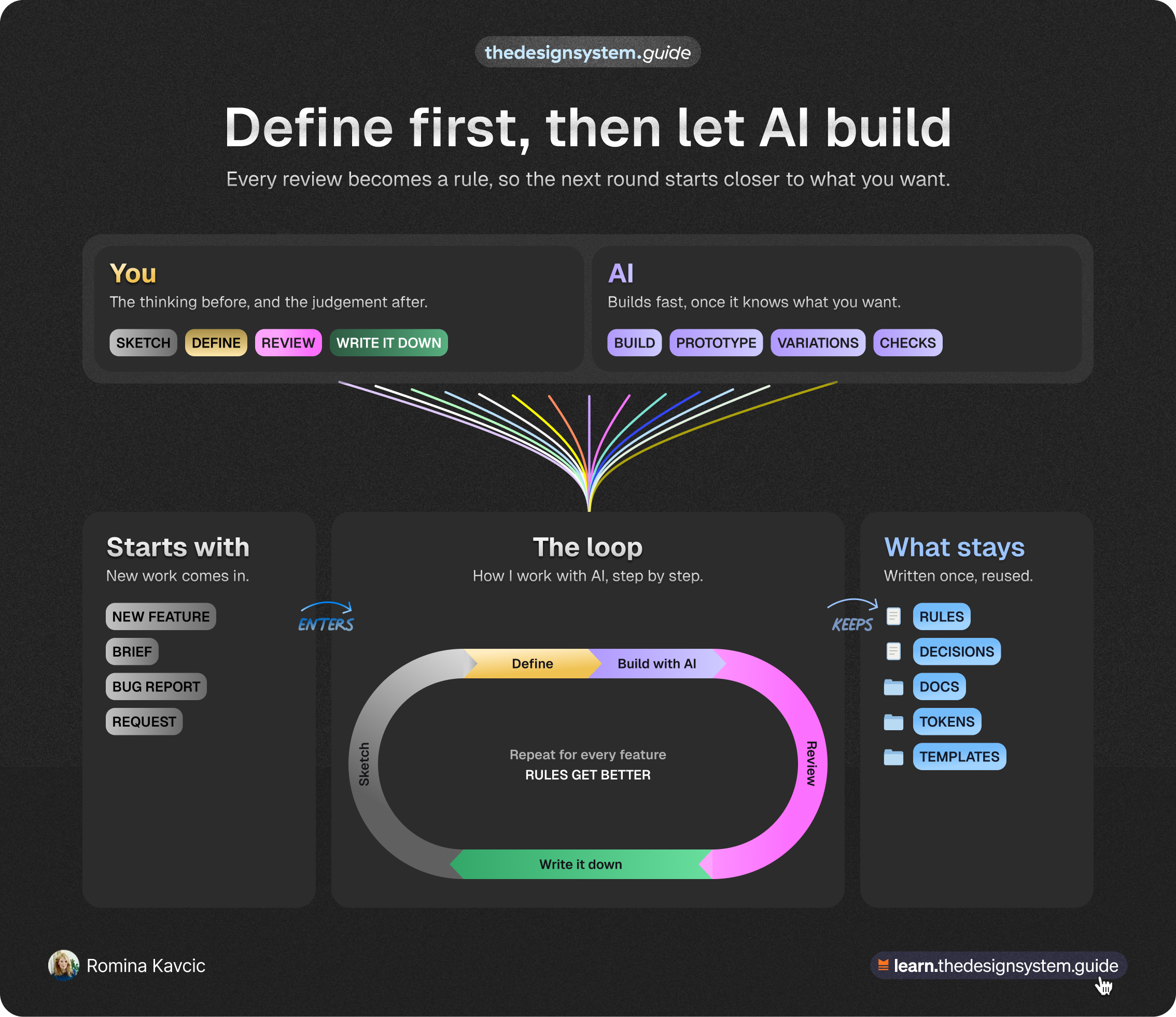
This is my loop today. When I start work on a new feature, I design it, then I use AI to build it and refine it. It is all connected with my knowledge graph and all the other rules. You can find more details here how I use AI.
Train your taste
When you start a new project, add as much context as possible. One way is to share screenshots, but be careful. The agent copies them too literally, and you might end up with someone else’s product in your colors. That’s why it is much better to share your ideas from Figma (or other tools).
Use voice; talk and explain as much as possible, and experiment with wording. Train your writing style. Be the world’s best user of AI. Completely obsessed. Claude Code, open models, closed models, all the different harnesses. Think about how to manage memory. What to put into knowledge graphs? How to go one step forward.
After you like the direction, start saving decisions and building a knowledge graph.
It’s a little bit different when you already have an established design system and product. In this case, most of the work goes into refining decisions, describing needs and products, merging decisions, etc.
In my talk, I showed the most typical prompt:
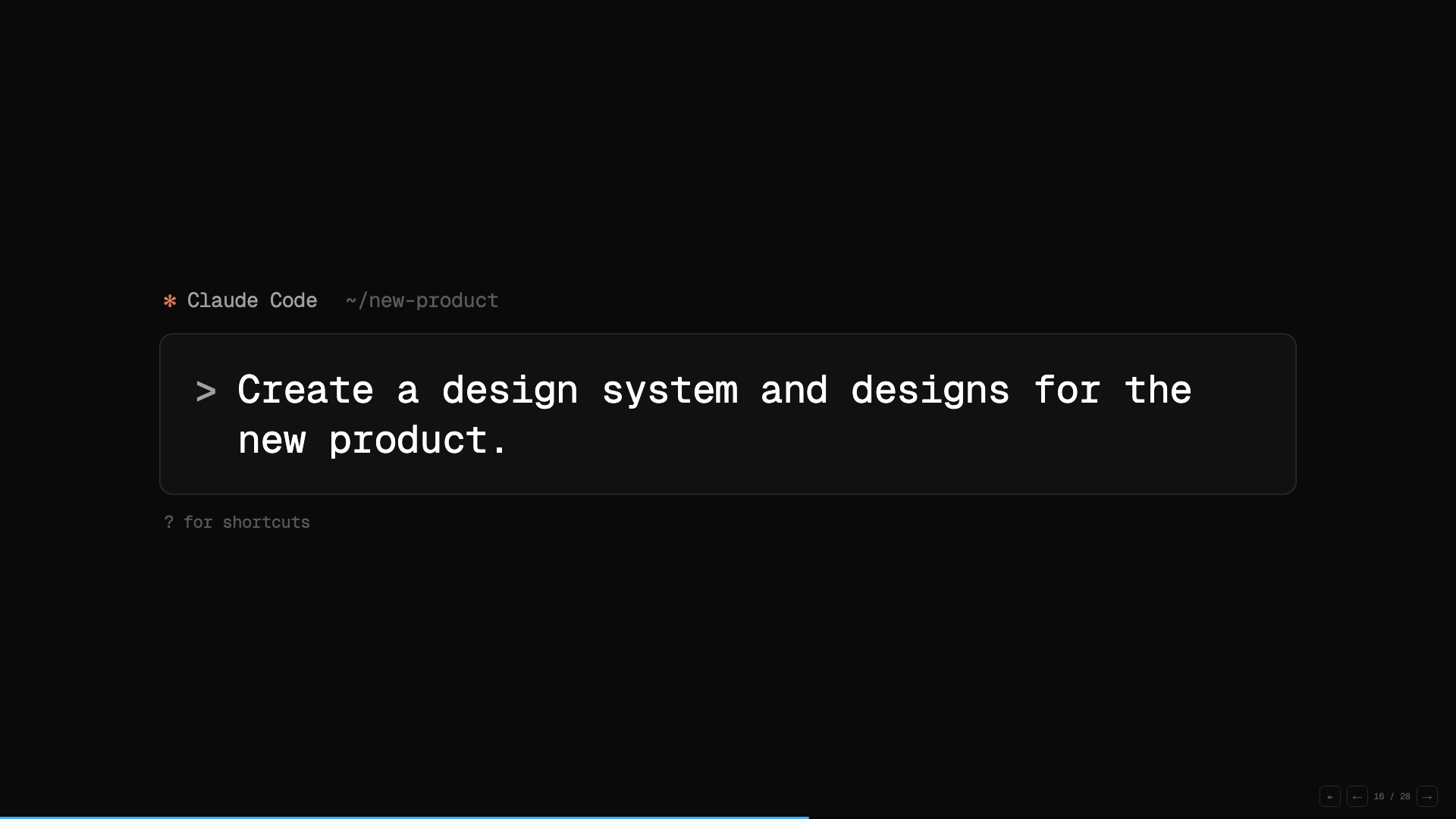
What can you expect from this prompt? No mistakes??
Ira Glass said in 2009 that taste is why our work disappoints us. And that’s because of the gap. When we get into the creative process, we have lots of ideas, but execution is way worse. Then the gap gets smaller.
I feel we are in a similar position now with AI. We KNOW exactly what we want to build, but using the right prompts, tool combos, and knowledge graphs sometimes feels like playing the lottery. So the gap is between taste and skill. How to explain to AI what is in our head?
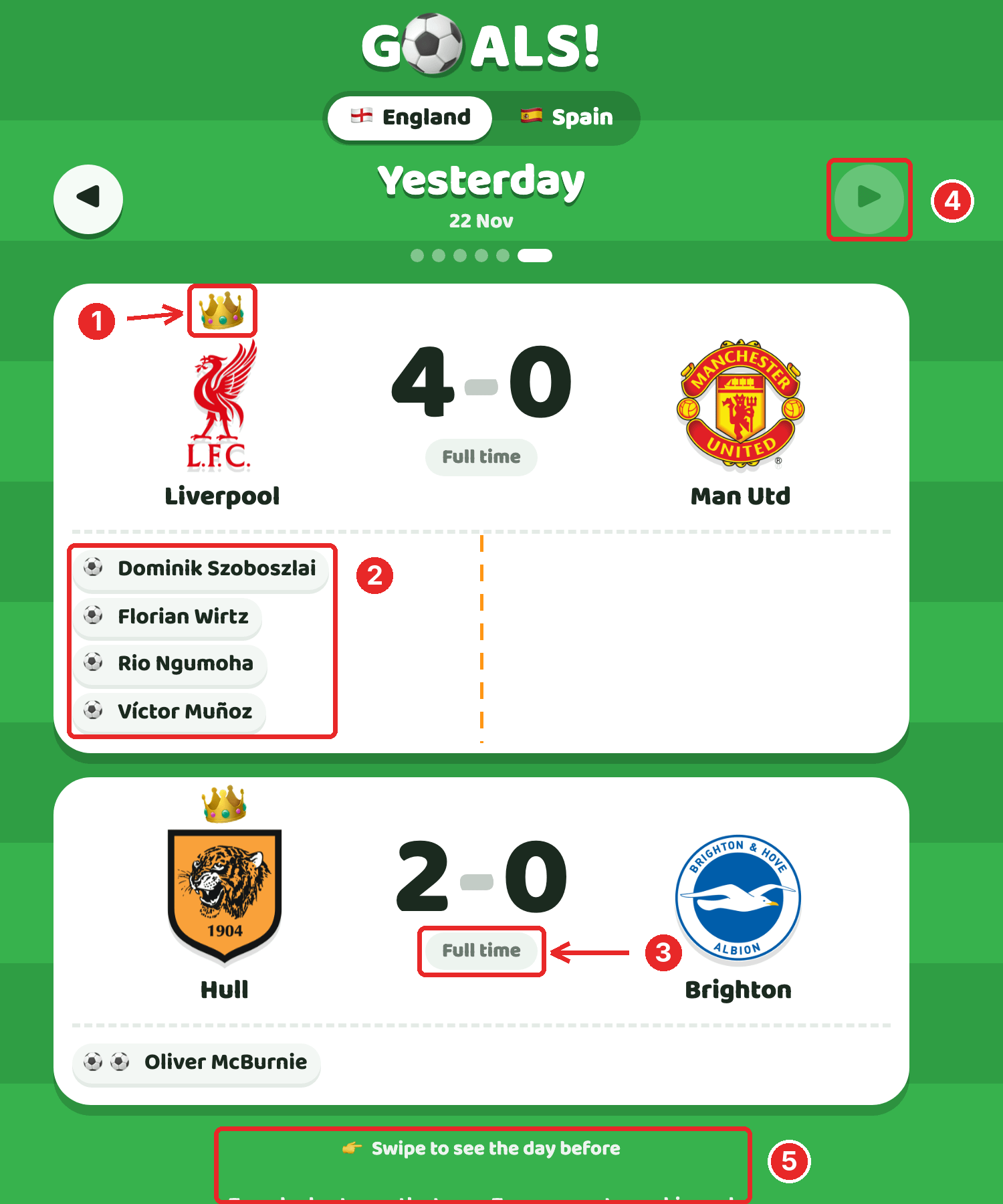
Let’s compare these two prompts for giving instructions:
Vague: “Make it look nicer.”
Precise: “Merge rules 1, 4, and 5; they say the same thing. Remove the boxes around each row. Use Geist for the labels.”
With the first one, you get the agent’s guess of what “nicer” means. With the second one, you get the card you wanted, in one round.
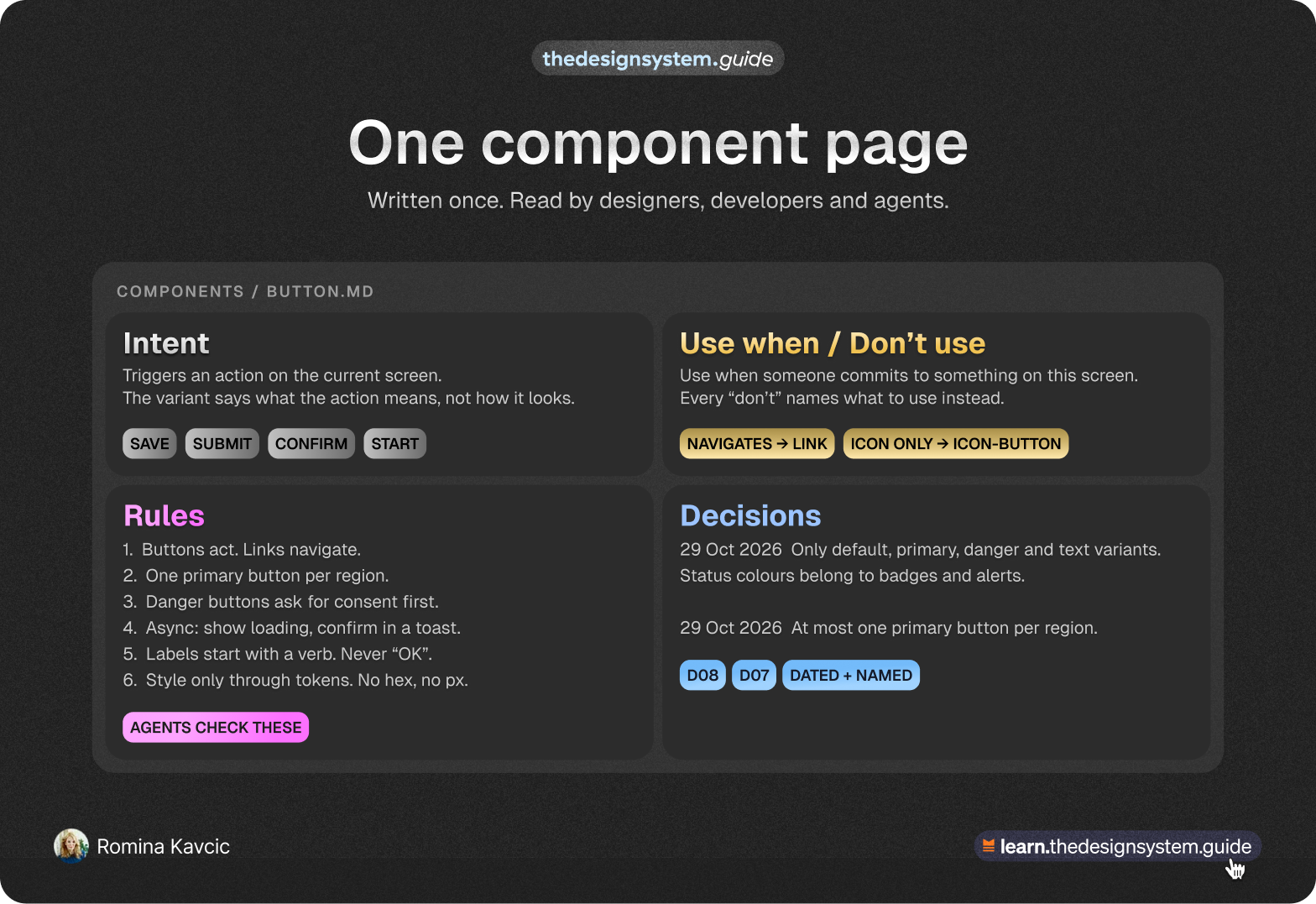
So, how can you do better?
Build your own collection of goodies. It can be screenshots, interactions, animations, prompts. Anything that inspired you.
Always give feedback on what worked and what you liked. Ask how you can improve your wording so there is less back-and-forth next time.
I use my voice for writing because it is faster. Then I edit the text.
Save product and your workflow decisions.
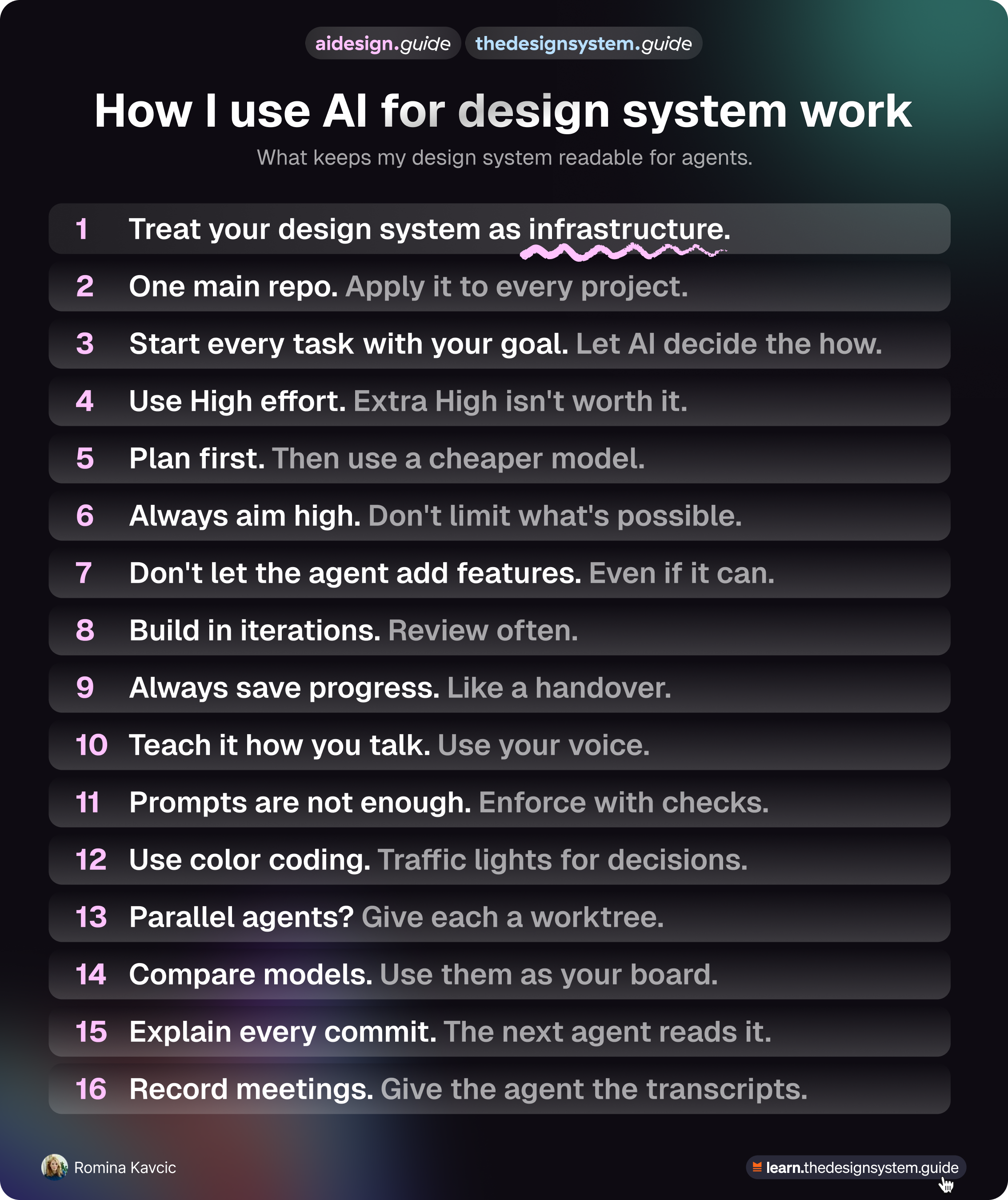
I hope this inspires you to take a step back and start crafting again. PS. This video was made from my design for a LinkedIn post.
Have a lovely week. Enjoy pixels.
— If you enjoyed this post, please tap the Like button below 💛 This helps me see what you want to read. Thank you.
✨ Community gems ✨
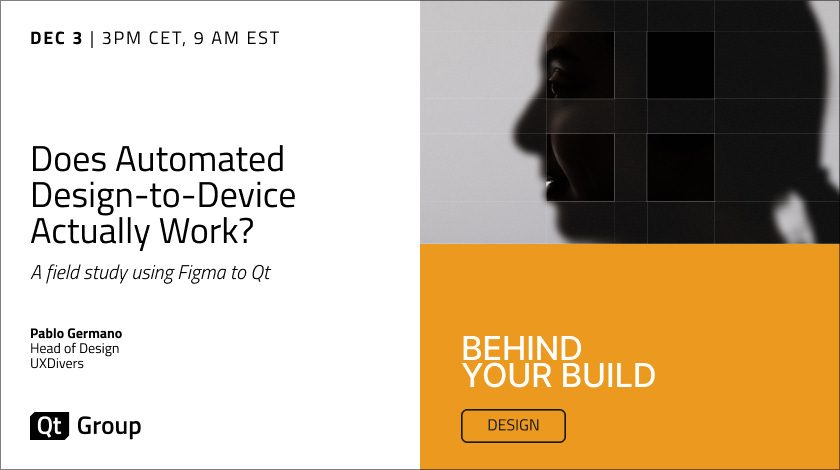
QT Group is hosting another webinar series for Designers. The third webinar is around the corner (Dec 10, 2026, 03:00 PM GMT+1(15:00 UTC +1) → Does Automated Design-to-Device Actually Work?
🔗 How is your design system really doing?
It will help the design system community a ton if you take a few minutes to add your answers. ✨ (They only publish totals, never anyone’s individual answers).


On the brain fry, sometimes I have a feeling that instead of focusing on the craft, I'm acting like a shepherd of an electric herd. The capacity rises, as well as the demand. I find myself more and more often running multiple design tasks in a couple of open windows. Do I pay equal attention to every outcome? I doubt it, even if I aim to. In the end, the automation that is supposed to make deliverables arrive faster also makes their quality worse.